
Email Marketing Dos and Don'ts for Small Businesses

Oblix Digital
Web design & SEO
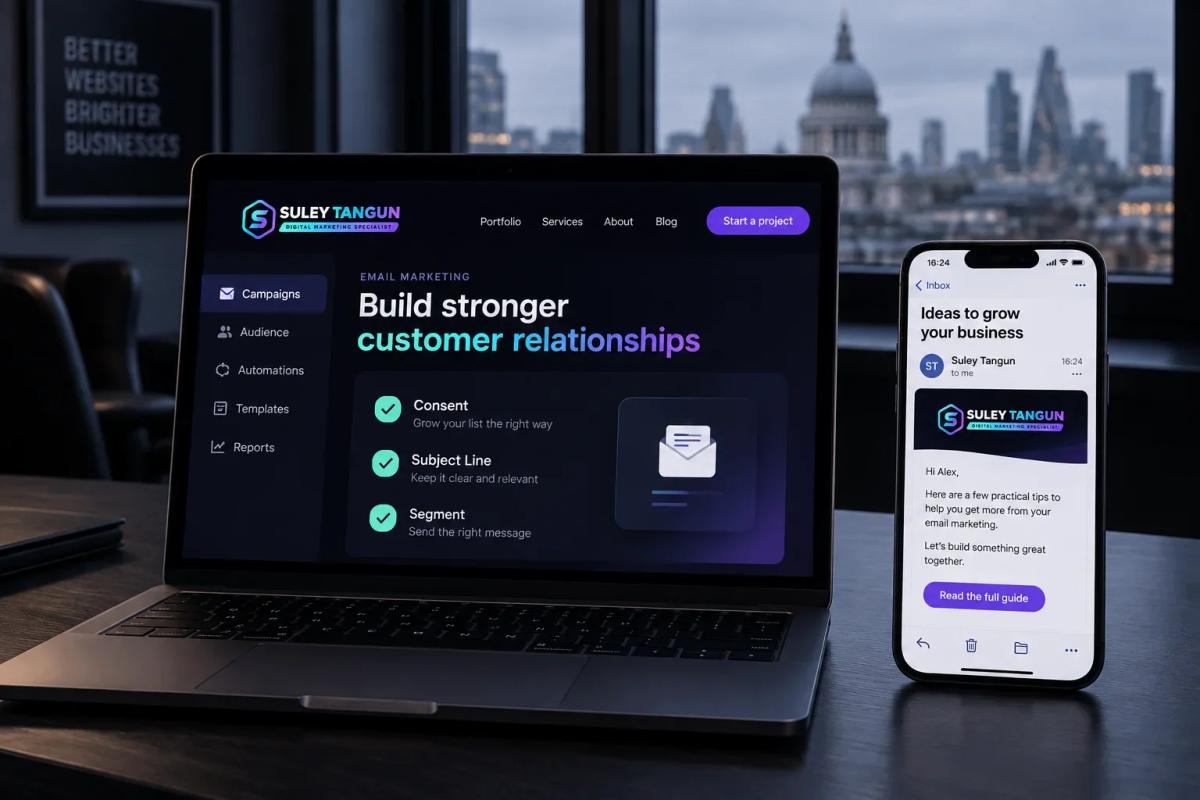
Email remains one of the most direct ways for a small business to stay in touch with customers, and one of the easiest to damage without noticing. A few habits separate lists that perform from lists that end up in spam folders.
Do: warm up a new sending domain gradually
If you are sending marketing email for the first time, do not email your entire list on day one. Start with a smaller, engaged group and build volume slowly, which is what Google advises for new senders. Mailbox providers judge a new sender partly on how it behaves early on, and a sudden spike from an unfamiliar domain looks like spam.
Don't: buy a list
Bought lists perform badly and, in the UK, create a real legal problem. Under PECR, you generally need specific consent before sending marketing emails to individuals, and the people on a bought list never agreed to hear from you. The same applies to sole traders and some partnerships, because the rules treat them as individuals. The narrow "soft opt-in" exception only covers people whose details you collected during a sale, or negotiations for a sale, of a similar product or service, and who were given a clear chance to opt out then and in every email since. The ICO says its guidance is under review after the Data (Use and Access) Act, so check the current version before you rely on it. A bought list also brings bounces and complaints that can damage your sender reputation for months, affecting the people who did sign up. Google warns that people who never signed up may mark your emails as spam, and asks senders to keep spam reports below 0.3%, which is 3 in every 1,000 emails.
The same thinking covers "forward to a friend" campaigns. If you ask customers to pass your marketing email on, the ICO says you are still responsible for it under PECR, and it advises against asking people for their friends' contact details.
Do: make unsubscribing easy
A clear, one-click unsubscribe protects your deliverability. People who cannot leave easily mark you as spam instead, which does far more harm than an unsubscribe. Google and Yahoo now require bulk senders to support one-click unsubscribe in marketing messages (for Google, that means anyone sending more than 5,000 emails a day to Gmail accounts), so this is no longer optional at volume. Yahoo also says unsubscribe requests should be dealt with within 2 days, and that people should not have to log in to leave.
Don't: send from a "noreply" address
It tells customers you do not want to hear from them. A real, monitored address, even a general one, builds trust and invites replies, and replies are a good signal to mailbox providers that people want your email.
Do: split your list before you send
Sending the same email to everyone, regardless of what they have bought or clicked, is one of the most common reasons engagement stalls. Even a simple split, such as new subscribers and existing customers, makes each email more relevant with very little extra work.
Don't: obsess over subject line length
Advice about exact character counts is largely out of date, because inboxes display subject lines differently on every device. The more useful question is whether it sounds like a person wrote it. Be specific rather than clever. One thing Google is clear on: subject lines shouldn't start with Re: or Fwd: unless the email really is a reply or a forward, and it gives this as an example of a misleading message.
Email is not the only channel worth getting right. If you are deciding between organic and paid social media, that comparison is worth reading before you split your budget.
Keep it simple and consistent
Good email marketing comes down to consistency and good list hygiene rather than clever tricks. If you would like a system that gets read rather than deleted, email marketing is something I build, so get in touch to discuss it.
Sources
Frequently asked questions
How often should I email my list?
Consistency matters more than frequency. Weekly or fortnightly both work, provided you keep to it. Bursts of activity followed by long silences tend to hurt engagement more than a steady, less frequent schedule.
What's a good open rate to aim for?
It varies a lot by industry and by email platform, and open rates are less reliable than they used to be because some email apps now count an open automatically. I would watch clicks, replies and enquiries alongside opens, and compare against your own past sends rather than an industry average.
Does the email platform I use matter?
To a degree. Deliverability, segmentation tools and pricing as your list grows vary between platforms, so it is worth choosing carefully before you build a large list on one you may want to leave later.
Should I remove inactive subscribers?
Yes, every so often. Subscribers who have not engaged in six months or more pull down your engagement rate and can affect deliverability, because mailbox providers watch how your emails perform overall. Try a short re-engagement email first, then remove those who do not respond.